Bay Window Cost UK: Pricing for Angled and Square Bays

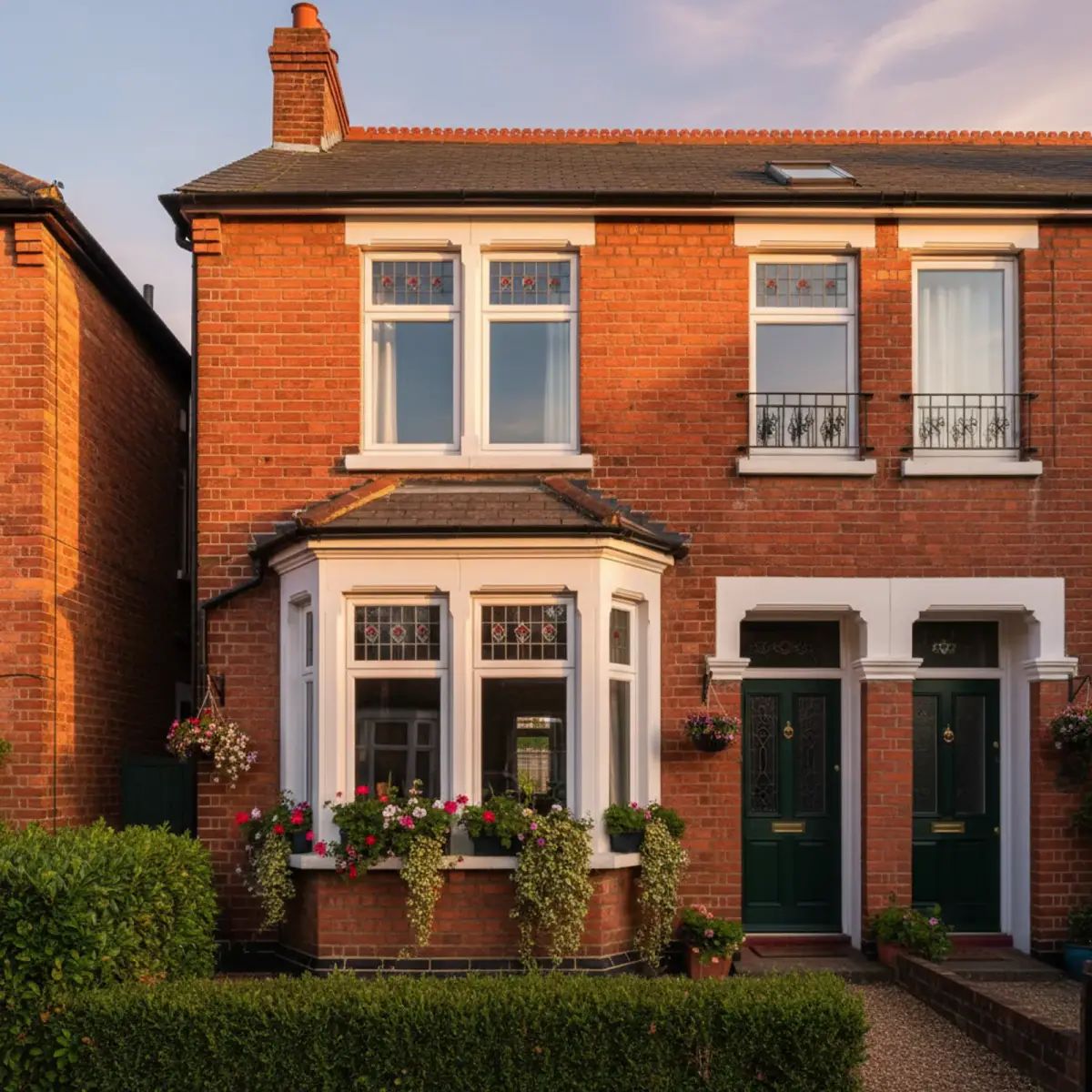
Around 15% of Victorian and Edwardian terraces have a bay window — and it is frequently the single largest source of heat loss in the building. The join between the bay roof and the main wall is notoriously difficult to seal, the glazed surface area is large, and the original single-pane units were never designed to keep heat in.
Replacing one is not a like-for-like window swap. A standard bay is three to five separate units with structural support above, which is why quotes start at £2,000 for uPVC and can exceed £10,000 for timber. The wide range is not vagueness — it reflects a genuine spread driven by geometry, material, and how much demolition the existing installation requires.
Square vs Angled Bay Windows: Cost Implications
The geometry of your bay is the first cost driver. It determines how the frames are manufactured, how long installation takes, and how much bespoke cutting is required at the corner junctions.
Square (Box) Bays
Box bays feature right-angled corners. These are generally simpler to manufacture and install because the glass and frames are standard rectangular shapes.
- Cost Profile: Typically the most affordable bay option.
- Installation: Faster, as there is less complex measuring and cutting required for the corner junctions.
- Estimated Price: 10-15% lower than angled bays for the same material.
Angled (Canted) Bays
Canted bays have sides that angle away from the house, usually at 45 degrees. These are the classic “Victorian” bays.
- Cost Profile: Higher due to the need for specialised corner joints and custom-cut frames to maintain a seamless look.
- Installation: Requires more precision during the surveying process to ensure the angles are perfect.
- Estimated Price: Mid-range, typically fitting within the £2,500 to £5,000 bracket for uPVC.
Price Breakdown by Frame Material
The choice of material is the primary driver of the final quote. Using data from the pricing matrix, we can extrapolate the costs for a typical three-section bay.
uPVC Bay Windows
uPVC remains the default choice for the majority of UK homeowners due to its balance of cost and thermal performance.
- Estimated Total: £2,000 – £3,500.
- Pros: Low maintenance, excellent U-values, and widespread availability.
- Cons: Thicker profiles (sightlines) can make a bay feel “chunkier” than timber.
Aluminium Bay Windows
Aluminium is increasingly popular for modern renovations or “industrial” styles, offering much slimmer frames than uPVC.
- Estimated Total: £3,000 – £5,000.
- Pros: Exceptionally strong, allowing for larger panes of glass without bulky supports.
- Cons: Higher initial cost; requires thermal-break technology to prevent condensation.
Timber and Engineered Wood Bay Windows
For listed buildings or heritage conservation areas, timber is often the only permitted material.
- Estimated Total: £5,000 – £10,000+.
- Pros: Timeless aesthetic, high prestige, and can be repaired rather than replaced.
- Cons: High maintenance (repaint cycle every 6-10 years) and the highest price point.
Factors That Inflate Bay Window Costs
Several variables can push a quote toward the higher end of the spectrum.
Glazing Specifications
Upgrading from standard double glazing to triple glazing in a bay window can add 20-30% to the cost. While the energy savings are significant, the added weight of triple-pane glass may require reinforced frames, especially in larger bay designs.
Installation Complexity (The “Rip-Out” Cost)
The cost of the window itself is only part of the equation. The labour involved in a bay installation is higher because:
- Structural Assessment: The installer must check that the bay’s roof and supports are sound.
- Sealant and Finishing: More linear metres of sealant are required to make the bay watertight.
- Internal Finishing: Replacing the internal blinds or curtains and ensuring the trim matches the existing interior.
Regional Labour Variations
As noted in the replacement costs data, labour in London and the South East is typically 20-40% more expensive than in the North or Midlands. A bay window that costs £2,500 in Manchester may easily reach £3,500 in Central London.
Thermal Performance and U-Values
Bay windows are notorious for “cold spots.” Upgrading to modern A-rated units can drastically change the thermodynamics of a room.
| Feature | Old Single/Early Double | Modern A-Rated uPVC | High-Spec Aluminium |
|---|---|---|---|
| Typical U-Value | 2.8 - 5.0 W/m²K | 1.2 - 1.6 W/m²K | 1.4 - 1.8 W/m²K |
| Heat Loss | High | Low | Moderate-Low |
| Condensation | Frequent | Rare | Occasional (if no break) |
By reducing the U-value to below 1.4, homeowners can see a noticeable reduction in drafts, particularly around the corner junctions of the bay.
The Impact of Bay Windows on Property Value
From a valuation perspective, a well-maintained bay window is often viewed as a positive asset by surveyors and prospective buyers. Because they increase the internal square footage (even by a small margin) and improve the “curb appeal” of a property, they can contribute to a higher valuation compared to a flat-fronted equivalent.
However, the inverse is also true. A decaying timber bay or one with outdated, yellowing uPVC frames can be a significant red flag during a home survey. Buyers are acutely aware of the high cost of bay replacement—often fearing the structural instability of the bay roof—and may use a dated bay window as a lever to negotiate the price down by several thousand pounds. Investing in a modern, A-rated replacement not only improves thermal comfort but serves as a strategic capital improvement that protects the home’s market value.
The Role of the Bay Window Roof: A Hidden Cost
One of the most frequent oversights in bay window budgeting is the roof. The roof of the bay is a separate structural entity from the windows themselves, yet it is the primary point of failure for water ingress.
When replacing windows, you must determine if the roof requires a “lift and replace” or a simple re-felt. A complete replacement of a bay roof, including the lead flashing and internal ceiling board, can add between £500 and £1,500 to the total project cost. If the roof structure has suffered from wet rot—common in older timber bays—you may need to replace the supporting joists, which further increases the labour time and material cost. It is highly recommended to have the roof inspected before the windows are installed to avoid the need for scaffolding to be re-erected.
Checklist for Getting an Accurate Quote
To avoid “price creep” during the installation process, ensure your quotes cover the following:
- VAT Inclusion: Ensure the quote explicitly states if VAT (20%) is included.
- Disposal of Old Units: Confirm that the removal and recycling of the old windows are included in the price.
- Roof Treatment: If the bay roof is leaking or decayed, determine if this is being handled by the window installer or a separate contractor.
- Fitch Locks and Hardware: Check that the hardware is included and not an “extra” add-on.
- Certification: Ensure the installer is FENSA or Certass registered to provide the necessary Building Regulations compliance.
For further details on energy efficiency, see our guide on u-values and building regulations or explore the difference between uPVC and aluminium.
Back to all cost guides or home.