Velux Cost Guide: Roof Window Pricing, Sizing, and Alternatives

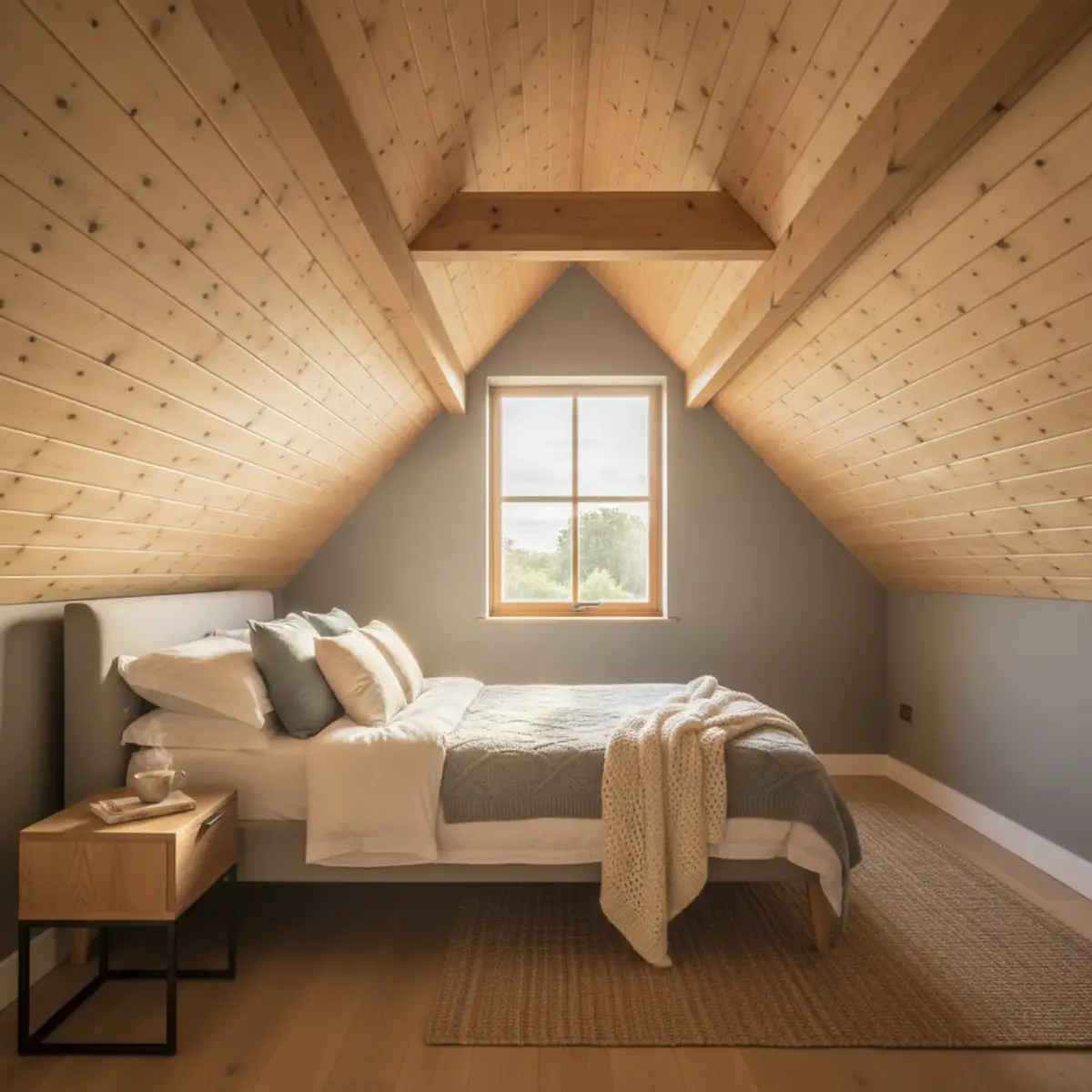
The Velux unit costs £400. The total bill — installation, flashing, internal finishing — lands between £600 and £1,200. That gap surprises most people. Roof windows are not drop-in products; structural modification of the rafters is typically required, and a roofer who has never fitted one before will charge accordingly.
Fakro and Keylite offer comparable specification for 10 to 20% less. The market share Velux holds is built on brand recognition and aftermarket parts availability, not a performance lead that justifies a premium on every project.
Velux vs. Fakro vs. Keylite: Price Comparison
| Brand | Base Unit Price | Typical Install Total | Market Position |
|---|---|---|---|
| Velux | £400+ | £600 – £1,200 | Market Leader / Premium |
| Fakro | £350+ | £550 – £1,100 | High Spec / Technical |
| Keylite | £300+ | £500 – £1,000 | Budget-Friendly / Reliable |
Velux dominates the UK market by reputation alone. Their branded flashing kits are widely available, and most roofers are familiar with the installation process, which reduces the risk of leaks. Fakro offers a strong technical alternative, with a wider range of sizes and some innovative features (such as automatic rain sensors on top-hung models). Keylite provides solid performance at a lower price point, making them a popular choice for buy-to-let renovations and budget extensions.
Critical Sizing and Model Selection
The cost of a roof window is driven primarily by the “glass area” and the operation mechanism.
- Centre Pivot: The most common and cost-effective option. It rotates around a central axis, allowing for easy cleaning from the inside.
- Top Hung: Generally more expensive due to the hinge mechanism, but offers a larger open area and better views. Ideal for low-pitched roofs where a centre-pivot would not provide sufficient headroom when open.
- Fixed/Non-Opening: The cheapest option, used primarily for light introduction where ventilation isn’t required.
As the size increases from a “standard” (e.g., 56cm x 118cm) to a “large” (e.g., 106cm x 118cm), the price typically jumps by 20-30%.
Detailed Brand Comparison
Velux: The Benchmark
Velux offers over 40 sizes in their standard range, from small modular units to large panoramic windows. Their key product lines include:
- GGL/GGU Centre Pivot: The workhorses. GGL is white-painted timber; GGU is white polyurethane-coated timber (more moisture-resistant for bathrooms). Prices start around £400.
- GHL Top Hung: The top-hung variant for low-pitched roofs. Prices start around £550.
- CK02 Fixed: Non-opening skylights for light-only applications. Prices start around £350.
- Conservation Roof Windows: Black external finish with a centre-pivot bar, designed to meet planning requirements in conservation areas. Prices start around £500.
Velux’s main advantage is aftermarket support. Replacement parts, accessories (blinds, insect screens, and electric actuators) are all readily available, and their flashing kits are designed to work with virtually every UK roof tile type.
Fakro: The Technical Alternative
Fakro differentiates itself through technical innovation. Their proSky model provides top-swinging operation at steeper pitches, and their FTP-V Electra range offers electric opening with rain sensors as standard. Fakro windows are also available in non-standard sizes, making them ideal for projects where the roof structure cannot accommodate a standard module.
Keylite: The Value Option
Keylite windows are manufactured in Ireland and designed specifically for the UK and Irish markets. Their integrated flashing kits (which come pre-attached to the window) simplify installation and reduce the risk of fitting errors. They are not as widely stocked as Velux, but the quality-to-price ratio is excellent.
Roof Maker: The Flat-Roof Specialist
Roof Maker specialises in aluminium-framed skylights and roof lanterns, primarily for flat-roof extensions. Their products are architecturally striking and carry a 20-year seal warranty—the longest in the UK roof window market. Prices start around £800 for a fixed flat-roof skylight and rise significantly for opening or walk-on models.
Installation Costs Explained
Many homeowners are surprised to find that a £400 Velux window costs £900 to install. This is because roof windows are not “drop-in” products; they require structural modification of the roof rafters.
The Installation Process includes:
- Rafter Cutting: Precision cutting of the roof timbers to create the opening. Structural calculations may be required if the window is large or the roof span is wide.
- Flashing: The installation of weatherproof seals (lead or aluminium) to prevent leaks. This is the most critical step—poorly fitted flashing is the number one cause of roof window leaks.
- Internal Finishing: Plasterboarding and painting around the window reveal. A “warm” reveal (insulated around the frame) is essential for energy efficiency.
- Scaffolding: Depending on the height of the property, a £200–£500 scaffolding charge may appear on your quote.
The Insulation Collar: Not Optional
The most common oversight in roof window installation is the gap between the window frame and the roof insulation. Without a purpose-made insulation collar (Velux supplies these for most models), the reveal becomes a thermal bridge, channelling heat directly through the rafters to the outside. In cold weather, this manifests as condensation and mould on the ceiling corners around the window—an all-too-frequent sight in UK loft conversions.
Insulation collars typically add £50–£100 per window to the material cost but save significantly on energy bills and prevent long-term damage to the ceiling finish.
Conservation Area Considerations
If your property is in a conservation area or is a listed building, standard roof windows may not be acceptable to the local planning authority. Both Velux and Fakro offer “conservation” models with a black external finish and a central glazing bar that mimics the appearance of a traditional rooflight. These are specifically designed to meet the requirements of most conservation officers.
Expect to pay a 10–20% premium for conservation-style windows. Planning permission is still required in many cases, and the process typically takes 8–13 weeks.
Common Mistakes to Avoid
- Choosing the wrong operation type: A centre-pivot window in a low-pitched roof will not provide adequate headroom when open. Always confirm the minimum pitch requirement before ordering.
- Skipping the insulation collar: As discussed above, this leads to condensation and mould. It is not an optional extra—it is part of a proper installation.
- Overlooking flashing compatibility: Not all flashing kits suit all roof coverings. Slate, plain tile, and interlocking tile profiles each require a specific kit. Getting this wrong voids the warranty and risks leaks.
- Forgetting about blinds: Roof windows let in a lot of light. If the room is a bedroom, blackout blinds are essential. Velux’s own blinds are well-engineered but expensive; third-party alternatives are available at lower cost.
- Trying DIY on a tiled roof: While some experienced DIYers successfully install flat-roof skylights, fitting a roof window into a tiled pitched roof requires specialist tools and experience. A botched installation will leak, and the repair cost will exceed what a professional would have charged in the first place.
Frequently Asked Questions
How long do Velux windows last? A properly installed Velux window with maintained flashing will last 20–30 years before the seals begin to degrade. The timber frames (on the GGL range) may require re-painting every 8–10 years if exposed to harsh weather. The polyurethane GGU range is virtually maintenance-free externally.
Can I install a roof window without scaffolding? Most reputable installers will not work at height without scaffolding for safety and insurance reasons. Some minor repairs (replacing a handle or a blind) can be done from inside, but any work involving the external flashing requires scaffold access.
Do roof windows need Building Regulations approval? Yes, in most cases. Adding a new roof window to an existing roof typically requires Building Control approval, particularly if the opening requires rafter modification. Replacement of an existing roof window (like-for-like) can be self-certified by a FENSA-registered installer or one registered with Certass.
For those aiming for a Passivhaus standard, consider the Passivhaus windows spec to understand the impact of U-values on roof glazing. In an energy-efficient retrofit, strategically placing roof windows can eliminate the need for artificial lighting during the day, significantly lowering the operational cost of the home.
If you are dealing with a property that is Unmortgageable because of roof leaks or structural issues, installing certified roof windows with a 20-year seal warranty (like those from Roof Maker) can provide the necessary structural assurance for lenders.
Summary: Choosing Your Skylight
- Pure Budget: Keylite.
- Balance of Trust and Performance: Velux.
- Technical Precision: Fakro.
- Modern Aluminium/Flat Roof: Roof Maker.
Back to all cost guides or home.