Casement Window Cost Guide UK (2026)

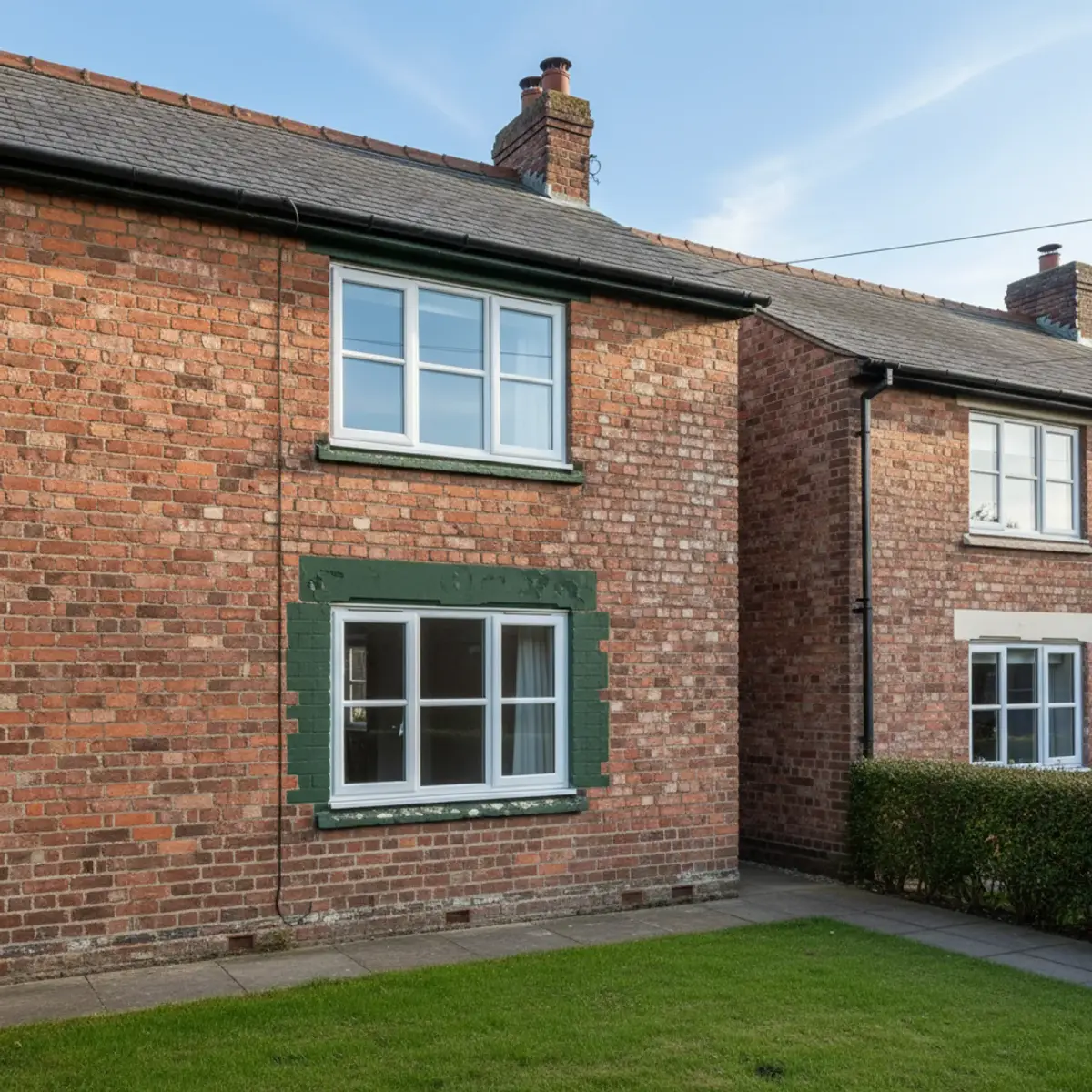
Seven in ten UK homes are glazed primarily with casement windows — not because of any particular design virtue, but because the side-hinged outward-swinging sash is cheap to manufacture, simple to fit, and easy to source. The price gap between the cheapest uPVC unit and a high-performance timber casement can exceed £2,000 per window. Most of that gap is material margin and paint cycles, not thermal performance.
What Exactly is a Casement Window?
A casement window is defined by its hinge on one of the vertical sides of the frame. The sash swings outward when opened, held by a stay bar.
Two main configurations appear in the UK market:
- Standard Casement: The sash sits proud of the frame, creating a visible step. These are the most common and generally the most affordable.
- Flush Casement: The sash sits flush with the frame, matching the look of traditional timber windows. These are well-suited to conservation areas and heritage homes because of their clean, flat face.
Casement Window Costs by Material
Material is the single biggest driver of cost. Current market data from the WindowCost Pricing Matrix shows a clear price hierarchy for a standard 1200x1000mm opening.
uPVC Casement Windows
uPVC remains the go-to for the majority of UK replacements due to its thermal efficiency and low maintenance.
- Typical Price Range: £350 – £800 per window (installed).
- Regional Variance: In Manchester or Leeds, a standard double-glazed uPVC casement can be found for between £540 and £990. In London, the same unit often jumps to £780 – £1,430 due to higher labour indices.
- Pros: Highly energy-efficient, budget-friendly, and requires no painting.
- Cons: Cannot be repaired if the frame cracks; some lower-end profiles can yellow over time (see our uPVC lifespan guide).
Aluminium Casement Windows
Aluminium has grown in popularity for modern renovations, particularly where slim sightlines matter.
- Typical Price Range: £1,100 – £2,200 per window.
- Performance: Aluminium conducts heat more readily than uPVC, so modern units must be “thermally broken” to prevent cold bridging.
- Pros: High strength-to-weight ratio, suits larger glass areas, and works well with contemporary architecture.
- Cons: Higher upfront cost than uPVC. For a full breakdown of the trade-offs, see aluminium windows pros and cons.
Timber Casement Windows
Timber is the preferred choice for heritage properties and those wanting a premium, natural finish.
- Typical Price Range: £1,400 – £3,000+ per window.
- High-End Options: Accoya and other engineered timbers reduce warping and extend the paint cycle.
- Pros: Classic aesthetic, biodegradable, and repairable through traditional joinery.
- Cons: High maintenance. Most timber frames need a full repaint every 8–10 years (see timber windows maintenance).
Factors That Inflate the Price
Beyond the material, several variables can push a quote toward the higher end of the spectrum.
1. Glazing Specifications
While double glazing is the baseline, upgrading to triple glazing adds roughly 20-30% to the cost of the glass unit. In colder climates or for ground-floor rooms, triple glazing provides a noticeable increase in acoustic insulation. We recommend checking the double vs triple glazing comparison to see if the investment matches your thermal needs.
2. Energy Coatings (Low-E)
Most modern UK casements now include Low-Emissivity (Low-E) glass — a microscopic metallic layer that reflects heat back into the room. A Low-E coating reduces the U-value of the window, which helps meet Part L building regulations.
3. Hardware and Security
Standard handles are cheap, but upgrading to multi-point locking or PAS 24-compliant high-security hinges adds to the quote. Providers like Anglian and Everest offer styles from standard casements to high-end flush options, varying by the security and appearance requirements of the property.
Installation and Certification
In the UK, window installation must comply with Building Regulations. There are two primary routes to achieve this:
- Competent Person Schemes: If your installer is registered with FENSA or Certass, they can self-certify the installation. This is the most common route.
- Building Control: If the installer is not registered, you must notify your local authority’s Building Control department and pay for an inspection.
Failure to obtain a certificate can cause significant delays when selling a home, as solicitors will require proof that the windows meet current thermal and safety standards.
Cost Summary Table: 1200x1000mm Standard Casement
| Material | Average Low (Regional) | Average High (London) | Lifespan | Maintenance |
|---|---|---|---|---|
| uPVC | £540 | £1,430 | 20-30 Years | Low |
| Aluminium | £990 | £2,860 | 40+ Years | Low |
| Timber | £1,530 | £4,420 | 60+ Years | High |
Which Material Should You Choose?
- Budget-focused? uPVC gives the fastest payback through energy savings.
- Modern aesthetic? Aluminium — slim frames and a clean indoor-outdoor connection.
- Period property? Timber. It is often the only material local planning authorities will accept in conservation areas.
When requesting quotes, ask for a “fully installed” price. This should cover removal and disposal of old frames, internal making-good (plastering/trimming), and a FENSA/Certass certificate.
Regional Price Variations
Window installation costs across the UK vary by as much as 40% between the cheapest and most expensive regions. The primary driver is labour cost, which reflects local wage rates and the cost of doing business.
- London and South East: Expect to pay 15–25% above national averages. A uPVC casement that costs £600 in Leeds may cost £800 in Croydon.
- South West and Cotswolds: Pricing is moderate but lead times can be longer due to the high volume of period properties requiring specialist joinery rather than standard casements.
- Midlands and North of England: The most competitive pricing in the UK. High volumes of 1930s and post-war housing with standard window sizes make supply and installation efficient.
- Wales and Scotland: Labour rates are lower, but some rural areas carry a travel surcharge. Overall, prices sit at or slightly below national averages.
Common Mistakes When Buying Casement Windows
- Choosing on price alone: The cheapest quote often means the cheapest profile. A £300 uPVC casement from an unknown manufacturer may have a thinner wall profile, fewer internal chambers, and a shorter guarantee than a £500 unit from a brand like Liniar or Profile 22.
- Ignoring the glass specification: Two identical-looking windows can have very different U-values depending on the glass. Always confirm the Window Energy Rating (WER) — A++ is the current best, and anything below B is not worth installing. The BFRC consumer search lets you verify a specific product’s rating before signing.
- Forgetting about trickle vents: Building Regulations Part F requires background ventilation in habitable rooms. If your existing windows have trickle vents, your new ones must too (or you must provide alternative ventilation).
- Not checking the guarantee: Some guarantees cover only the frame, not the glass or the hardware. The seal between the double-glazing panes is the component most likely to fail—ensure it is covered for at least 10 years.
- Assuming all installers are equal: A FENSA or Certass registration proves competency, but the quality of the internal finishing (plasterwork, trim, and sealant) varies enormously. Ask to see previous installations or check online reviews before committing.
Frequently Asked Questions
How long do uPVC casement windows last? Quality uPVC windows typically last 20–30 years. The frames themselves are durable, but the double-glazing seals may fail after 15–20 years, causing condensation between the panes. At this point, the glass units can be replaced without changing the frames.
Do I need planning permission to replace my windows? In most cases, no—replacement windows fall under Permitted Development rights, provided the new windows are similar in appearance to the existing ones. However, if your property is listed or in a conservation area with an Article 4 Direction, you will need Listed Building Consent or planning permission.
Are flush casement windows worth the extra cost? Flush casements cost 15–30% more than standard casements but offer a cleaner aesthetic that is particularly valued in period properties and conservation areas. They are also slightly more airtight because the flush fit eliminates the external step where draughts can penetrate.
Back to all cost guides or home.